

Introduction: The Evolving Role of the Broker
Once portrayed as fast-talking middlemen in bustling stock exchanges, brokers have evolved into sophisticated professionals wielding powerful digital tools, deep analytical insight, and a nuanced understanding of global markets. In the modern financial landscape, brokers play a critical role in bridging individual and institutional investors with complex financial instruments, market opportunities, and regulatory frameworks.
The broker’s role is no longer confined to merely executing trades. Today’s brokers are trusted advisors, risk managers, market educators, and, increasingly, technological innovators. Understanding how this profession has transformed offers valuable insight into how markets function, where trust is placed, and how individuals and businesses navigate the growing labyrinth of investment choices.
Defining a Broker: More Than a Middleman
A broker, in essence, is an intermediary who facilitates the buying and selling of assets on behalf of clients. These assets can range from stocks, bonds, and commodities to real estate and insurance products. The fundamental responsibilities include:
-
Executing Orders: Ensuring transactions are carried out efficiently and at competitive prices.
-
Providing Market Access: Connecting clients to exchanges, over-the-counter markets, or private deals they could not access alone.
-
Advisory Services: Offering tailored advice based on market conditions, client objectives, and risk profiles.
-
Ensuring Compliance: Navigating complex regulatory landscapes to protect clients and ensure ethical standards are upheld.
Modern brokers must balance these roles while constantly adapting to shifts in technology and regulation.
A Brief History: From Trading Floors to Trading Apps
Traditionally, brokers operated on crowded exchange floors, shouting bids and offers in chaotic but surprisingly efficient trading pits. Deals were confirmed with hand signals and handwritten tickets. In the late 20th century, technology began to transform this landscape.
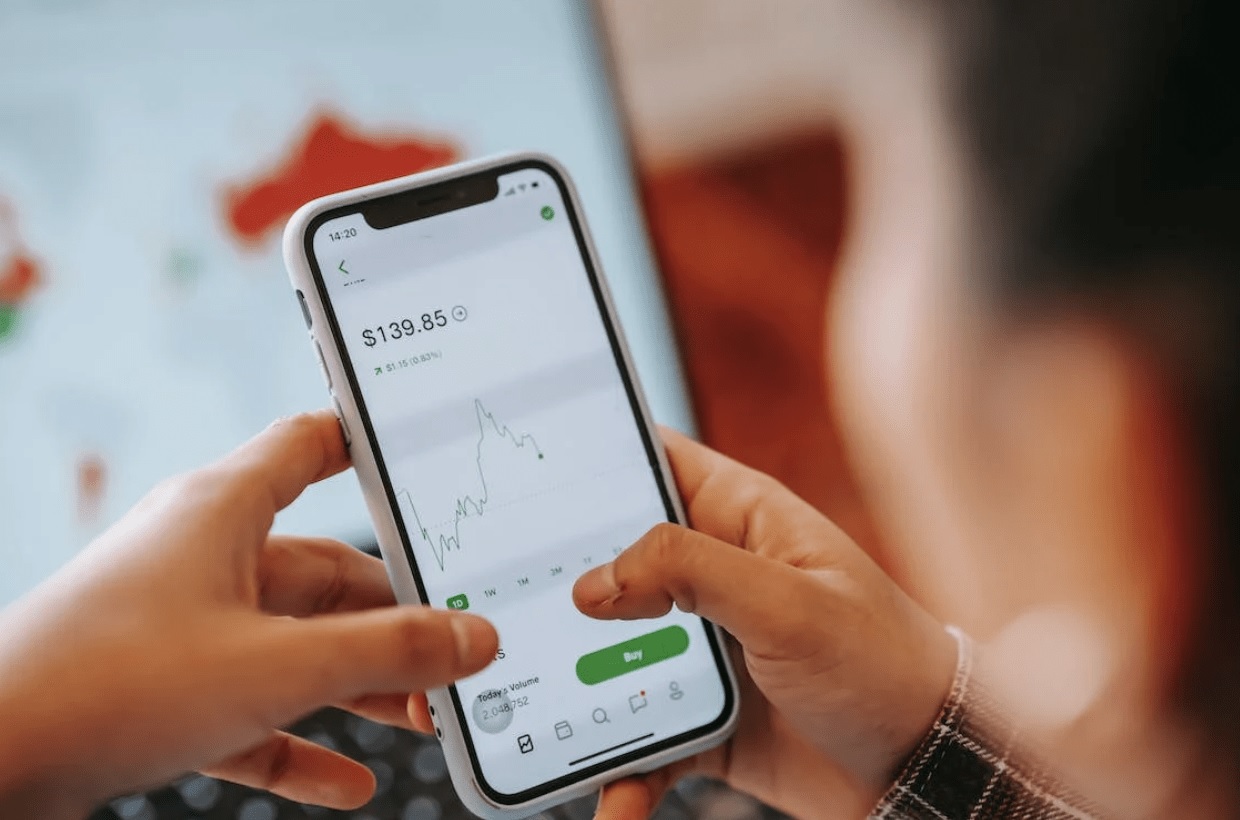
With the advent of electronic trading platforms, brokerage firms transitioned to sleek offices and digital interfaces. The Internet era ushered in online brokers, dramatically lowering the barriers to entry for retail investors. Today, a teenager with a smartphone can execute trades that once required a trusted broker’s phone call and a stack of paperwork.
While accessibility has improved, so has complexity. New asset classes such as derivatives, ETFs, and cryptocurrencies demand a broker’s guidance more than ever.
Types of Brokers: A Diverse Profession
Not all brokers are created equal. Depending on the market and client needs, brokers may specialise in:
-
Full-Service Brokers: Offering personalised advice, research, retirement planning, and wealth management alongside trade execution.
-
Discount Brokers: Focused on low-cost, no-frills execution, catering to self-directed investors comfortable making their own decisions.
-
Commodity Brokers: Specialising in futures, options, and raw materials markets.
-
Forex Brokers: Facilitating currency trades in the world’s largest and most liquid market.
-
Real Estate Brokers: Matching buyers and sellers of properties, often guiding clients through complex legal and financial transactions.
Each category demands a unique skill set, licensing, and regulatory oversight.
The Modern Broker’s Toolkit
Today’s broker is armed with an impressive array of digital resources that were unimaginable just a few decades ago:
-
Algorithmic Trading: Some brokers use automated systems to execute large volumes of trades with speed and precision.
-
Market Analytics: Advanced software enables brokers to analyse real-time data, price trends, and macroeconomic indicators.
-
Client Portals: Secure platforms allow clients to monitor portfolios, set alerts, and communicate instantly.
-
Compliance Tools: Digital safeguards ensure brokers adhere to ever-evolving regulations and protect client interests.
Far from being replaced by technology, brokers who embrace these tools elevate their value to clients.
Challenges in the Brokerage World
Despite technological advancements, the brokerage profession faces pressing challenges:
-
Regulatory Scrutiny: Governments worldwide are tightening oversight to prevent fraud, protect retail investors, and ensure fair markets.
-
Market Volatility: Economic shocks and geopolitical tensions test brokers’ abilities to manage client expectations and mitigate risk.
-
Fee Compression: Fierce competition has driven many brokers to slash commissions, forcing firms to innovate new revenue models.
-
Client Education: The democratization of trading means brokers often must guide novice investors who may not fully grasp the risks involved.
These pressures require brokers to be as adaptable as they are knowledgeable.
Why Good Brokers Matter
A good broker can mean the difference between an investor making informed, strategic decisions or falling prey to market hype and emotion. Brokers add tangible value through:
-
Insight: In-depth market research and professional judgment.
-
Access: Connections to exclusive deals, IPOs, and specialised products.
-
Risk Management: Helping clients diversify portfolios and hedge against downturns.
-
Psychological Support: Acting as a rational voice when markets turn turbulent.
Investors, especially those with significant assets or complex goals, often find that a trusted broker is an indispensable ally.
The Rise of Robo-Advisors: Complement or Competition?
In recent years, the emergence of robo-advisors—algorithm-driven platforms offering automated investment management—has sparked debate about the broker’s future. While robo-advisors appeal to cost-conscious investors seeking simple portfolio solutions, they lack the nuanced understanding and personal relationships a human broker can offer.
Many brokers now incorporate robo-advisory tools into their services, using them to handle routine tasks while focusing their expertise on bespoke strategies and client relationships.
How to Choose the Right Broker
For investors navigating a sea of options, selecting the right broker is paramount. Consider:
-
Regulatory Credentials: Verify licensing and reputation with regulatory bodies.
-
Fee Structure: Understand commissions, hidden charges, and account minimums.
-
Services Offered: Align broker capabilities with your investment style and goals.
-
Technology and Tools: Evaluate platform usability, research offerings, and customer support.
-
Communication: A good broker should be accessible, transparent, and proactive.
Taking time to find a broker whose values and expertise align with your financial aspirations is a crucial step toward long-term success.
Conclusion: The Broker’s Enduring Relevance
In a world increasingly dominated by digital interfaces and self-service platforms, the broker remains a vital figure in the financial ecosystem. Whether guiding individuals through turbulent markets, helping businesses raise capital, or advising on wealth preservation, brokers combine human insight with technological acumen in ways that algorithms alone cannot replicate.
Their role has evolved dramatically, yet the core mission endures: to empower clients with knowledge, access, and strategic guidance. As financial markets continue to grow in complexity and opportunity, the modern broker will remain an indispensable partner on the journey toward financial well-being.